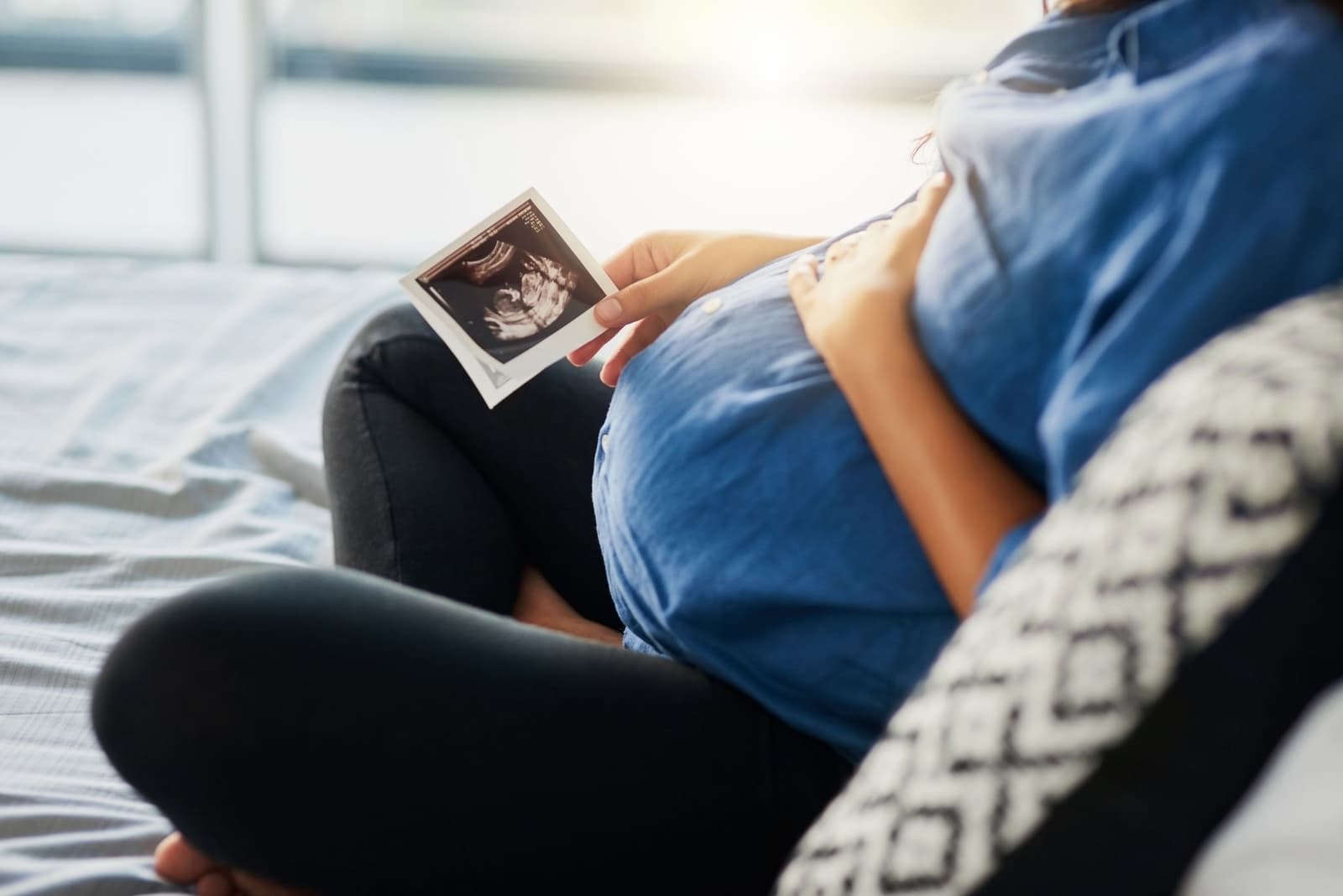
What is Maternity Cover in Health Insurance? Meaning and Benefits
Maternity cover in health insurance is a benefit that includes the expenses of your medical consultations, childbirth, hospitalisation, medications, pre-natal and post-natal care, and the healthcare expenses of your newborn. This cover supports your needs throughout maternity to ensure that you can welcome your young one without having to stress over hospital bills. Let's deep dive in what is maternity coverage under health insurance.
What does maternity cover in health insurance typically include?
Most health plans that offer it are built to support the whole journey. Here are the detailed coverages.
Expenses related to childbirth
Surgeon fees, anaesthetist fees, operation theatre charges, and nursing during the procedure form the backbone of any maternity claim and apply to both normal delivery and C-section. One thing you should know is that many plans have different limits on how much they will pay for normal and C-section births. C-section limits are usually higher. Before you make a decision, give a final check.
Hospital stay and treatment costs
Maternity cover in health insurance includes your room rent, bed charges, medicines, and ICU if needed. Private hospital stays can be expensive even without complications, and room rent sub-limits can gradually reduce your benefits more quickly than you might anticipate. The maternity cap and the room rent cap deserve equal attention.
Pregnancy-related medical care before and after delivery
The prenatal stage usually consists of examinations and laboratory tests before birth. Post-discharge, there is a post-discharge window period of 30 to 60 days for medications and consultations. The time period may vary from insurer to insurer, hence the need to know exactly how long it lasts on each side.
Limited coverage for the newborn
Cover often extends to your newborn for the first 30 to 90 days, covering hospitalisation costs if the baby needs attention right after birth. Early vaccinations come under some plans, too. One step you need to take after the baby is born is to add them to the policy within 90 days to maintain coverage.
Treatment for pregnancy-related complications
Your maternity benefit covers you against complications such as ectopic pregnancy, pre-eclampsia, gestational diabetes, and post-birth complications, provided that the waiting period criteria are served.
Is maternity covered under health insurance policies?
For retail policies, understanding how maternity cover works in health insurance requires knowing one key thing: the waiting period. You purchase the plan, keep your renewal in lockstep, and once the waiting period closes, you can claim pregnancy-related medical needs. Any pregnancy prior to that window will not be included. And if a policy is bought after conception, most insurers will treat the pregnancy as a pre-existing condition. Getting the process in place early is the only way it actually works.
Many employer group plans include maternity from day one, with no waiting period attached. If that is what you have, it is genuinely worth checking what the maternity sub-limit looks like, because the benefit exists even if the payout ceiling is low.
Are there any important limitations to be aware of in maternity cover?
Maternity benefits are genuinely valuable, but they do come with boundaries worth understanding before you buy. These include waiting periods, sublimits, extent of coverage based on the number of deliveries, and exclusions.
Waiting period before maternity benefits apply
The duration of the waiting period for maternity benefits in India ranges from a minimum of nine months to a maximum of three years. No claims are made during this waiting period, despite the validity of the insurance and payment of premiums. If a baby is in the plans for the next year or two, the policy needs to be running already.
Maximum payable limits for maternity claims
A large sum insured on the policy does not carry over to the maternity benefit. That is capped separately, and the numbers are typically far lower, often between ₹25,000 and ₹1 lakh. Some plans split that further by delivery type. Most private hospitals in cities charge more than the cap, so knowing your specific limit ahead of time allows you to plan around it.
Restrictions on the number of deliveries covered
The majority of plans only cover two deliveries. Once those two claims are used, the maternity benefit closes, regardless of how long the policy runs. Sometimes, after the first claim, there is a new waiting period set by the insurer to make the second childbirth claimable. It’s always better to know beforehand about such a clause.
Situations where maternity claims may not be accepted
IVF, other fertility treatments, and self-termination of pregnancy are excluded across most standard plans. Any complication tied to a pre-existing condition that was not declared by you at the time of buying the policy can also lead to a rejected claim. And if a pregnancy begins before your waiting period ends, that pregnancy sits outside the cover completely.
Conclusion
Pregnancy is an important event, and that's why buying the policy in advance is crucial to avoid any problems. The waiting period highlights its necessity. You just need to continue having an active policy without breaks. When the moment finally arrives, you may use the benefit confidently.
Frequently asked questions
1. What is maternity cover in health insurance, and what does it include?
The maternity insurance plan is a provision in your health insurance plan covering costs incurred during pregnancy and childbirth. These include delivery, Caesarean sections, post-delivery expenses, neonatal healthcare services, and any complications arising from pregnancy. The coverage may start right from the beginning or as rider coverage, which starts upon completion of the waiting periods.
2. Does maternity cover in health insurance pay for normal and C-section deliveries?
Yes, it covers both. Though the payout is different for each. The cost of a C-section is higher than that of natural childbirth; hence, different maximum payout amounts are provided by various insurers.
3. Does maternity cover include expenses for the newborn baby?
Yes, there is a cover up to 30 to 90 days after birth in most health insurance policies. These include hospitalisation and treatment expenses related to newborns, in case it needs them. Many plans also include vaccination costs for the child for its first few years. It is important to add the newborn child to your insurance within 90 days of their birth.
4. Are pregnancy-related complications covered under maternity health insurance?
Complications of pregnancy may be covered by most health insurance plans. This occurs after the completion of waiting periods and when complications emerge while you're still insured. Ectopic pregnancy, gestational diabetes, pre-eclampsia, and childbirth complications are among these conditions.
5. Are hospital stay and delivery-related medical expenses covered under maternity insurance?
Coverage of maternity insurance includes room charges, bed rent, surgeon, anaesthetist, nursing services, and medications. The claim under maternity insurance follows the maternity sub-limit. Room rent is paid in line with the maternity sub-limit, which can be exhausted fast in private hospitals.
Disclaimer: The information shared in this blog is intended solely for general awareness and should not be considered a substitute for professional medical advice, diagnosis, or treatment. Always seek the guidance of a qualified healthcare provider for personalised recommendations and care.