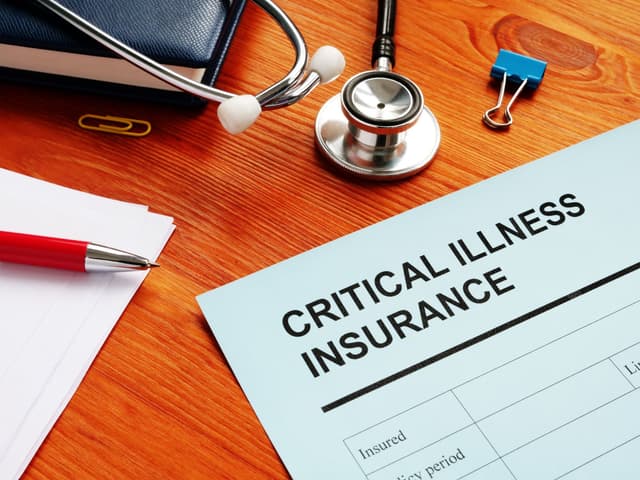
Critical Illness Insurance vs Health Insurance: Key Differences Explained
Health insurance and critical illness insurance are not the same thing, and understanding the difference between them matters more than most people realise. Health insurance pays your hospital bills. Critical illness insurance pays you directly when a serious diagnosis arrives, with no hospital bills required to trigger it. You need both. It is about building something complete, and this guide helps you do exactly that.
What are the key differences between critical illness insurance and health insurance?
The simplest way to understand critical illness vs health insurance is this. Health insurance pays the hospital. Critical illness insurance pays you. One covers bills, and the other covers life. Here is the fuller breakdown:
| Parameter | Health Insurance | Critical Illness Insurance |
|---|---|---|
| What it pays for | Actual hospitalisation and treatment bills | Fixed lump sum on diagnosis of a listed illness |
| How it pays | Cashless at network hospitals or reimbursement | Direct payout to you, no bills needed |
| Coverage scope | Broad: hospitalisation, surgery, day-care, ICU | Specific listed illnesses only |
| How you use the payout | Only towards eligible treatment expenses | Anything: income gap, EMIs, recovery, household costs |
| Waiting period | Around 30 days initial; 1 to 4 years for pre-existing conditions | Around 90 days initial; 14 to 30 day survival period post-diagnosis |
| After a claim | Policy continues up to remaining sum insured | Usually ends after full lump sum is paid |
| Who can be covered | Individual or family floater | Individual only |
| Premium | Higher, broader coverage | Lower, condition-specific |
| Sum insured | Lower than a standalone critical illness plan ₹5 to ₹50 lakhs | Higher than a standalone health insurance plan ₹20 lakhs to ₹1 crore |
One thing worth pausing on: the CI payout has nothing to do with what the hospital charged. A ₹4 lakh treatment bill does not reduce a ₹25 lakh CI payout because those two numbers were never connected. Health insurance moves money between the insurer and the hospital. The CI lump sum lands in your account, yours to direct wherever it is needed most.
What is health insurance?
Health insurance covers inpatient hospitalisation, surgery, ICU, day care procedures, and pre- and post-hospitalisation expenses. At network hospitals, it works cashlessly. Outside the network, you pay first and claim reimbursement afterwards.
A single hospitalisation without cover can quietly set a family's finances back by a year. Most people do not realise how fast that happens until it does, and health insurance exists to ensure it simply does not have to. When a medical situation arises, money should be the last thing on your mind.
What is critical illness insurance?
Critical illness insurance pays a fixed lump sum directly to you when you are diagnosed with a listed condition, such as cancer, a heart attack, a stroke, or kidney failure. No hospital bills needed. The money is yours to use however recovery demands it.
Some people use it to clear an EMI, so one less thing sits on their shoulders during recovery. Some put it toward specialist treatment that the health plan does not include. Many people just use it to buy time, financially, because healing properly sometimes means not rushing back to work before your body is ready. Two conditions apply before the payout moves: roughly 90 days from policy start and a survival period of 14 to 30 days after diagnosis, depending on the policy wording. After that, no further approvals, no bills to justify. The money arrives, and you take it from there.
What does the difference between critical illness and health insurance look like in real life?
Same diagnosis, same hospital bills, same health insurance. The person with critical illness cover walks away with a lump sum that covers income loss, EMIs, and recovery time. The person without it handles all of that alone. That is the real-world difference.
Examples
- Ramesh is 43 and self-employed and has kept up a ₹10 lakh health plan for years. A heart attack, hospitalisation, and a ₹7.5 lakh bill were cleared cashless without any friction. Good care, smooth claim. Then he goes home, and the harder stretch begins. Cardiac rehab means four months off work. Income stops, but the EMI does not. His health insurance did precisely what it promised. The financial difficulty that followed was simply outside what it was ever built to handle.
- Ananya, same age, same diagnosis, same hospitalisation cost. Her health plan handles the hospital bills the same way. The difference is a ₹20 lakh critical illness policy she took out a few years earlier. After clearing the survival period post-diagnosis, that amount reaches her account. EMI sorted. Specialist rehab funded. She takes every week of recovery her doctor recommended without the financial clock forcing her hand. She goes back when she is actually ready.
Do you need both critical illness cover and health insurance, or just one?
Both, ideally. Start with health insurance because hospitalisation can happen at any age. Add critical illness cover once that is in place, especially if you are a primary earner, carry a home loan, or have a family history of serious illness. It is not just about hospital costs anymore. It is about income, obligations, and recovery time, all of which continue whether the health plan covers them or not.
When should you add critical illness cover to health insurance?
Earlier than most people think, honestly. Young and healthy means lower premiums, simpler applications, and far less medical history to complicate things. That window narrows over time, sometimes faster than expected. Taking on a home loan changes your financial exposure overnight. Becoming a parent means more people are depending on your income than before.
Moving into the late thirties is when the risk picture quietly shifts, even when everything feels fine. Any of those moments is a natural point to have the conversation. Some insurers offer CI as a rider directly on an existing health policy, which keeps things simple and is often cost-effective. A standalone policy where that is not available works just as well and frequently comes with broader illness coverage and higher sum-insured options.
Conclusion
If you already have a health plan, you are in a good place. Adding critical illness cover is the logical next step. A serious illness does not just affect your health but also affects your income, your savings, and everyone who depends on you. A CI plan makes sure that when life takes an unexpected turn, your finances do not fall apart along with it. The earlier you get it in place, the better. Speak to your insurer and find out what works for your situation.
Frequently asked questions
Is critical illness insurance better than health insurance?
They do different jobs. Health insurance covers hospitalisation. Critical illness gives you a lump sum on diagnosis. You need both.
Can I claim both health insurance and critical illness insurance together?
Yes. Health insurance pays the hospital bills. CI pays out on diagnosis. The two are completely separate.
Is critical illness insurance necessary if I already have health insurance?
Health insurance covers your hospital stay, nothing more. Lost income, EMIs, and out-of-pocket costs as none of that is covered. If you have a family or financial responsibilities, one policy will not cut it.
Which is more important: health insurance or critical illness insurance?
Start with health insurance. Hospitalisation can happen at any age. Once that is sorted, add critical illness cover for everything else the hospital bill does not touch.
Can critical illness cover be added to an existing health insurance plan?
Some insurers offer it as a rider on your existing policy, which is simpler and cheaper. If not, a standalone policy does the same job and usually covers more.